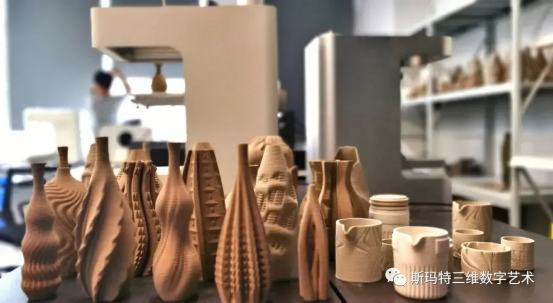
3D printing technology has been around for just 30 years, from the altar of high technology to the application of the ceramic field, aerospace applications, industrial ceramics, daily-use ceramics, art ceramics... Simple, fast, precise, omnipotent.
What is 3D printing?
3D printing (3D Printing, 3DP), also known as additive manufacturing, three-dimensional printing, or layer manufacturing, is a process that creates a physical object by adding material layer by layer according to a three-dimensional model or electronic data. 3D printers are a type of industrial robot.
This is a rapid prototyping technology, which first designs a digital model, transmits the data to the terminal printer, and uses various materials that can be adhered and plasticized to continuously superimpose and construct, *** to transform the model into a solid.
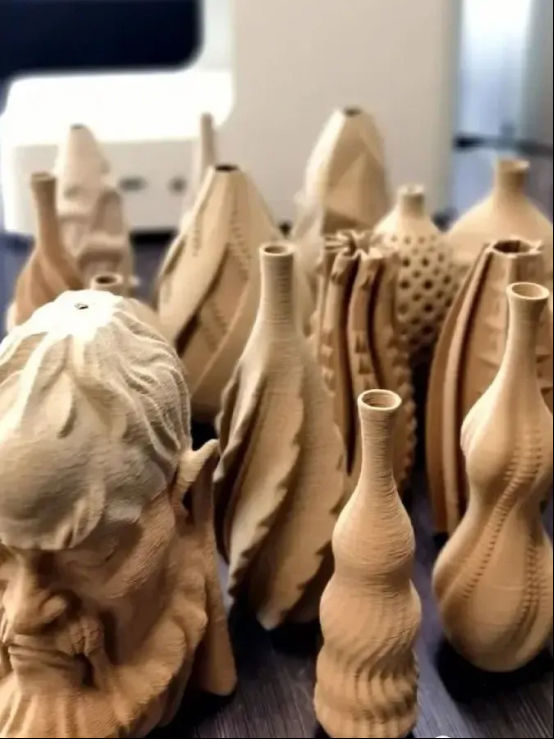
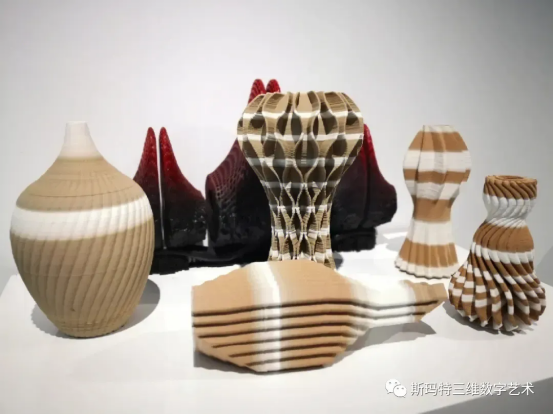
3D printed sculpture
Who invented 3D printing technology?
In 1940, American farmer William Urschel designed a construction "printer" and applied for a patent, with a movable and adjustable arm, which facilitated the construction of circular concrete or clay buildings outdoors. In the field of 3D printing equipment, he is regarded as a "pioneer".
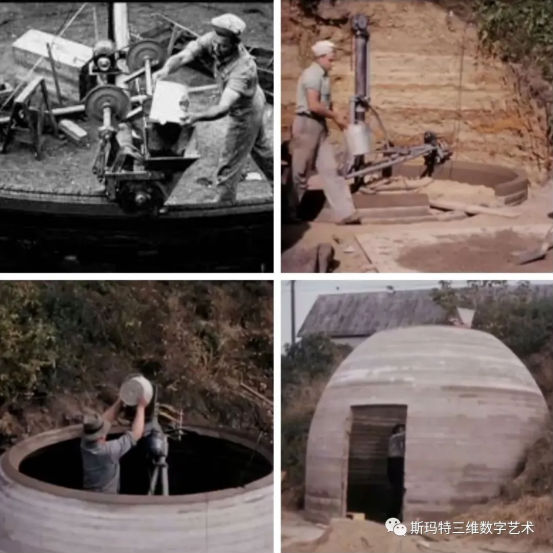
1940, William Urschel "printed" houses
In 1981, Shuji Kato of the Toyota Industrial Institute in Nagoya, Japan, invented a method of additive manufacturing of three-dimensional plastic models using light-curable polymers, with a print head (nozzle) controlled by a scanning fiber opticemitter.
In 1984, Chuck Hull, the founder of the American company 3D Systems, invented stereo-lithography, which solidifies high molecular weight photopolymers with ultraviolet laser, and Hull called this procedure "printing three-dimensional objects by creating links between parts of the printed target object".
Xiao Yu Xiu-nan invented the method of making three-dimensional models, while Chuck Hull's contribution was to design the STL (stereolithography) file format, which is widely used in 3D printing software and electronic slicing and filling.
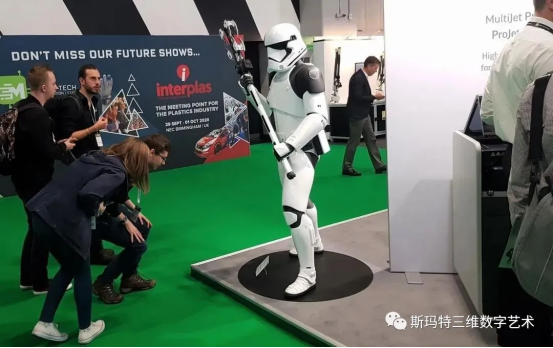
The combination of ceramics and 3D printing
The excellent properties of high strength, high hardness, high temperature resistance, low density, good chemical stability and corrosion resistance of ceramic materials make it one of the three major solid materials (the other two are metal materials and high molecular materials), and provide an infinite space for the extension of the technology and art integration of 3D printing.
With the continuous progress of science and technology, 3D ceramic printing has penetrated into fields as large as aerospace, automobiles, geography, architecture, and even nuclear weapons, and as small as medical, optical, electronic, daily life, and communication fields, such as bone substitutes, catalytic converters, ceramic cores, etc.
At present, there are three kinds of ceramics that can be prepared by 3D ceramic printing: alumina, zirconia and磷酸钙.
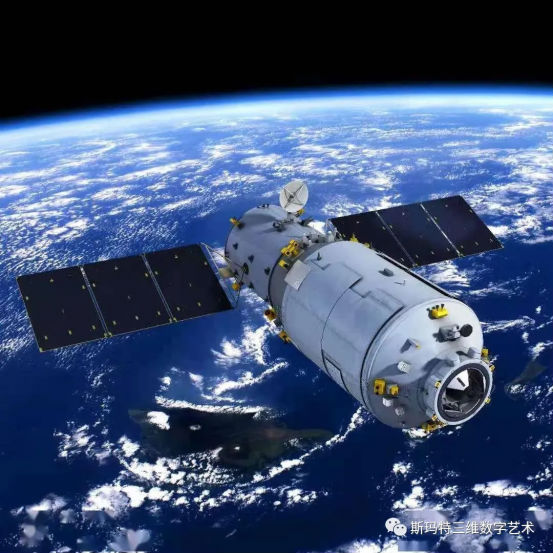
Application of zirconia ceramics in the aerospace field
China's newly launched space station: the "Tianhe" core module
All Powerful 3D Ceramic Printer
The Italian WASP official team printed the architectural model.
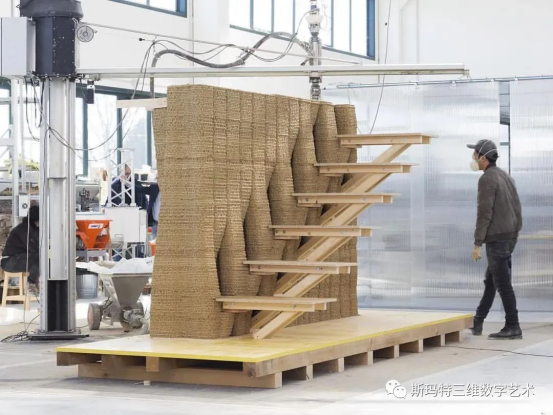
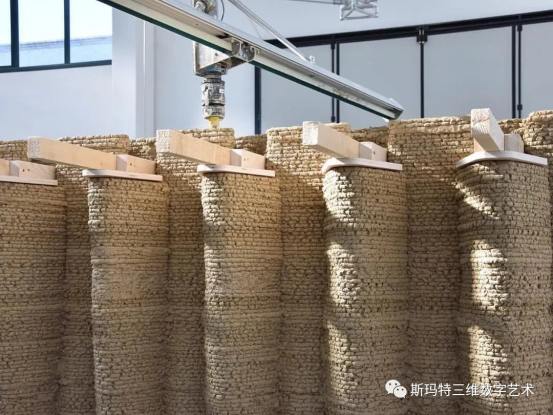
3D building material printing robot developed by German KUKA company
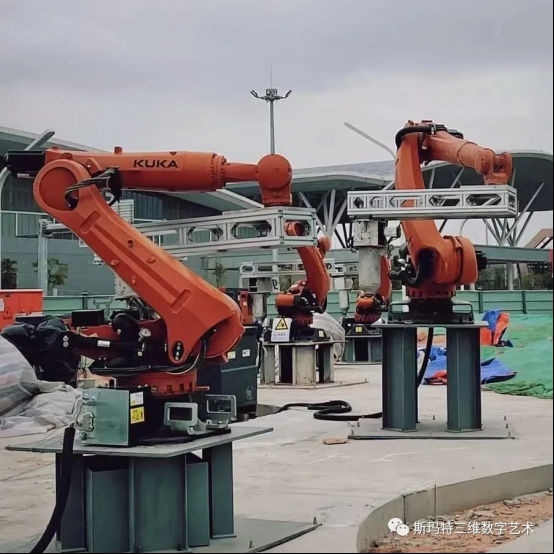
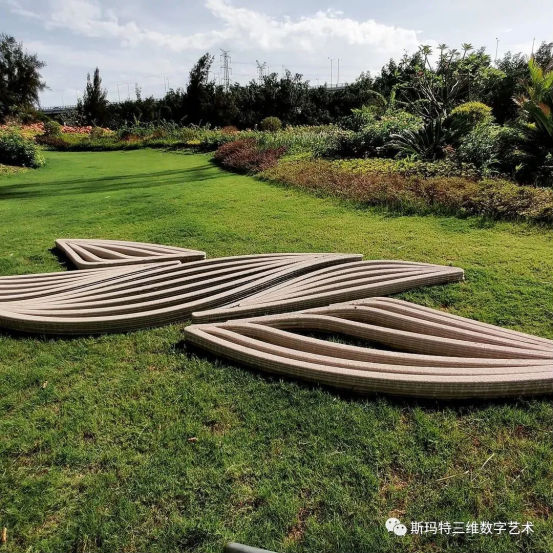
For printing outdoor sculptures, landscape architecture, etc.
Smart 3D Ceramic Printer
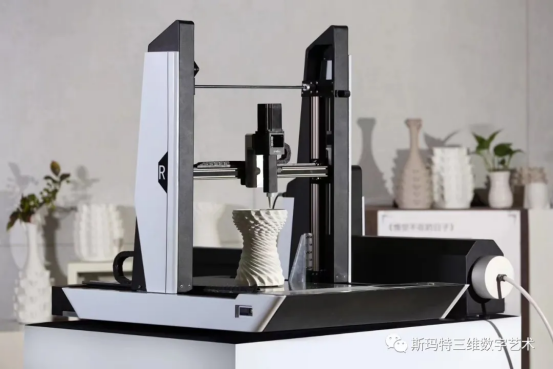
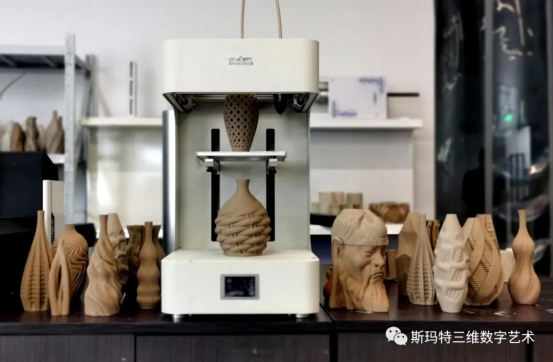
Smart, as a Chinese innovative industrial design enterprise, has been carefully nurtured and developed for more than ten years. Smart has a 2,000-square-meter 3D printing and cloud data research and development center, a 10,000-square-meter standard factory and a full set of production equipment, showing a new business philosophy of creative design and precision manufacturing. With the continuous promotion of 3D printing technology application, the national carving industry has set off a digital sculpture revolution.
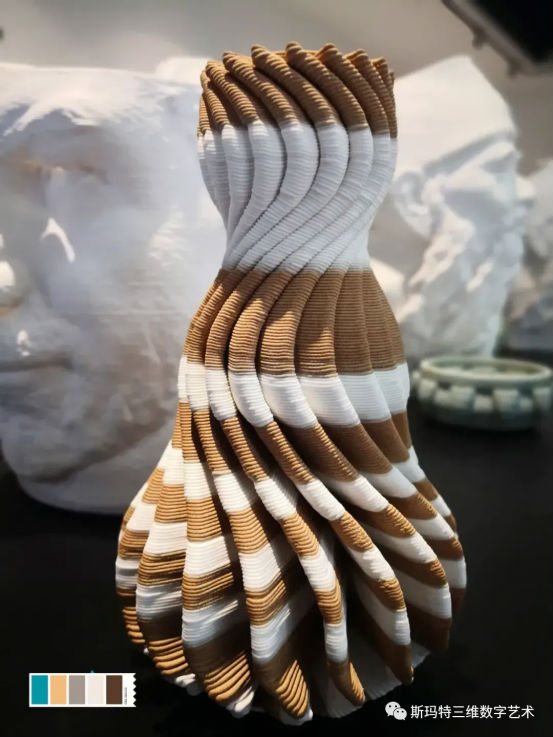
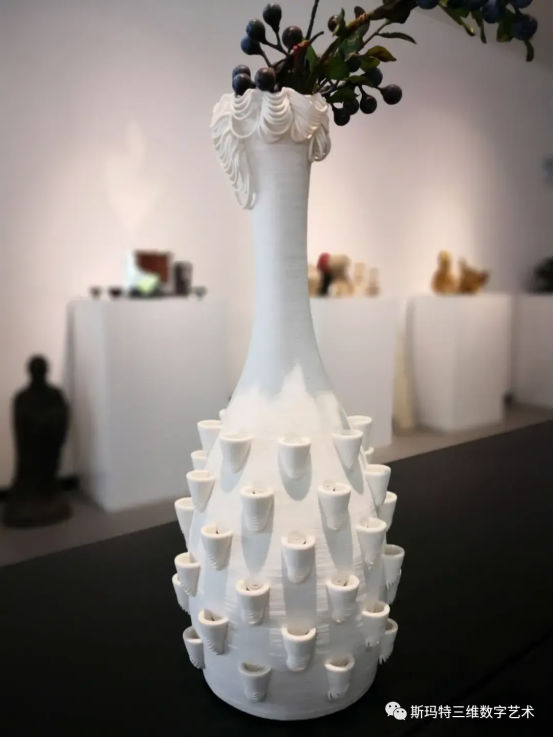
3D ceramic printing greatly saves the time cost, space cost, labor cost, etc. in the process of creative work creation, and can meet the special needs of some works with texture, material, and modeling. At the same time, 3D printing, a digital technology, actually brings a new possibility of artistic language to ceramics!